The Sale Was Just the Handshake: Turning First-Time Buyers Into Regulars in 72 Hours
You did it. The cart was abandoned twice, the customer hesitated on the shipping page, and then — the order confirmation hit your inbox. Pop the cork, right?
Here's the uncomfortable truth: for most small businesses, that first purchase is where the effort ends. The follow-through — a welcome note, decent packaging, a quick win with the product — gets treated like an afterthought. And that's exactly why repeat purchase rates at so many small operations hover in the single digits while the big players engineer loyalty like a science.
The first 72 hours after a sale are the highest-leverage window you will ever have with a customer. They just handed you money. They're primed. What you do in that window decides whether they become a one-and-done or a customer who's still buying from you in two years.
Why the Post-Purchase Window Matters More Than the Pitch
Think about how you feel right after buying something you actually wanted. You're a little excited, a little anxious — did I spend too much? Was this the right call? Psychologists call this post-purchase dissonance, and every buyer experiences some version of it.
If you go silent, that anxiety festers. If you show up — a thank-you email that isn't a receipt, a quick tip on getting value from the product — you convert that nervous energy into confidence. Confident buyers come back. Nervous ones quietly return products, leave lukewarm reviews, or simply never think about you again.
The math backs this up. Across e-commerce generally, the probability of selling to an existing customer runs somewhere around 60-70%, while selling to a brand-new prospect sits closer to 5-20%. Your second sale is dramatically easier than your first. Yet most marketing budgets pour everything into the top of the funnel and almost nothing into the moment that actually compounds.
The 72-Hour Onboarding Framework
Here's a simple structure you can adapt whether you sell handmade candles on Shopify or consulting packages out of a Denver home office.
Hours 0-2: Confirm and reassure. Your order confirmation should do more than list line items. Tell them what happens next, when it ships, and how to reach a human. A single sentence — "Questions? Reply to this email, I read every one" — does more for trust than a polished FAQ page ever will.
Hours 2-24: The unedited thank-you. Not an automated drip with your logo at the top. Something that reads like it came from a person. Bonus points if you reference what they bought: "You picked the cedar-and-smoke candle — solid choice, that one almost didn't make it past our test batch."
Hours 24-48: Deliver a quick win. This is the step almost everyone skips. Include a one-page usage guide, a 90-second how-to video, or a tip that helps them get value before they even expected it. A skincare brand might send a "how to layer this with what you already own" note. A software tool might highlight one feature that saves 20 minutes today. The goal: the customer should feel smarter for having bought from you within two days.
Hours 48-72: Open the feedback loop — softly. Ask how it's going. Not a five-question survey, just a genuine "How's it treating you so far?" This does double duty: it catches problems before they become one-star reviews, and it flags delighted customers you can nurture toward a referral or a review.
Packaging Is Marketing You Already Paid For
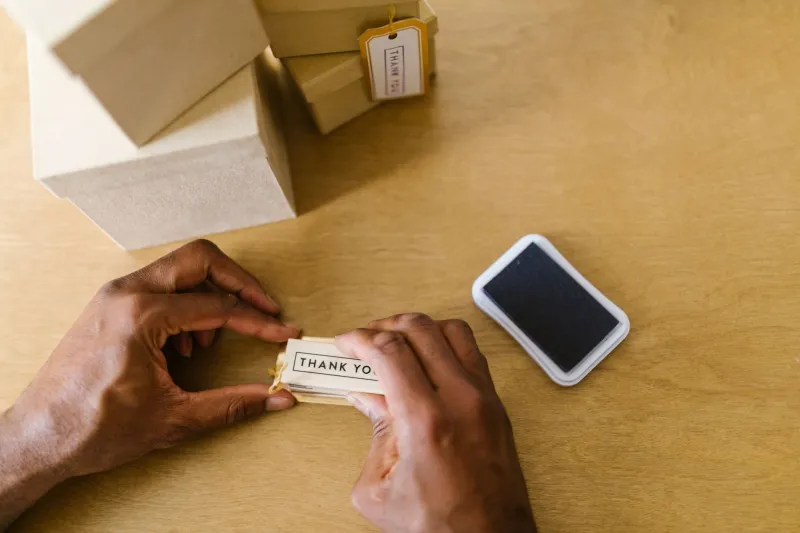
If you ship physical product, the box is your onboarding. A plain mailer says "transaction." A box with a handwritten note, a sticker, or a small surprise says "brand."
You don't need a budget worthy of a Glossier unboxing video. A $0.30 handwritten thank-you card can move the needle. One Midwest coffee roaster we've seen includes a small sample of a different blend in every first order — a move that costs pennies and routinely drives second purchases of the sampled blend. That's not generosity; that's a merchandising tactic disguised as a gift.
Brands That Nailed It
Look at what Chubbies did in its early days: order confirmations written like a friend cracking a joke, packaging that people actually photographed and shared. The product was decent; the experience was the differentiator. Or consider how Warby Parker turned the home try-on into an onboarding event — the customer's first interaction was designed to feel like the start of a relationship, not the end of a transaction.
You don't need their budgets. You need their intent. Every touchpoint in those first three days was designed, not defaulted.
Measure It Like You Mean It
If you can't measure it, you'll stop doing it. Track three numbers:
- Repeat purchase rate within 90 days of first order
- Time to second purchase — shorter is better
- Referral or review rate among first-time buyers
Run your onboarding as an experiment. Add the handwritten note to half your orders for a month. Send the quick-win email and see if it shifts repeat behavior. Small tests, compounding results.
The Bottom Line
Your first sale isn't the finish line — it's the audition for every sale that follows. The businesses that grow fastest aren't the ones shouting loudest for new customers. They're the ones who make the customers they already won feel like they made a brilliant decision.
You've already paid to acquire them. Spend the next 72 hours making sure that investment pays off more than once.