Bigger Baskets, Not Bigger Discounts: 9 Promo Mechanics That Protect Your Margins
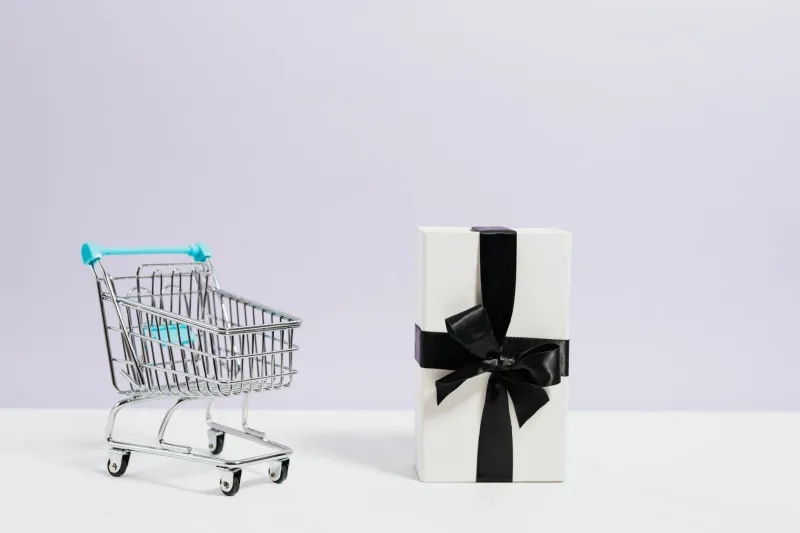
There's a slow leak that kills a lot of small e-commerce brands: the always-on discount. It starts innocently — a 15% off code to boost a slow month. Then customers learn the pattern. They abandon carts waiting for the next code. Your margin becomes a suggestion, and 'full price' becomes a rumor.
The way out isn't swearing off promotions. It's choosing mechanics that make the average order bigger instead of just cheaper. Here are nine that do exactly that — each with how to run it, a real-world flavor, and the warning label.
1. The Bundle Builder
Let customers pick any 3 items from a curated set for a set price. A skincare shop might run 'Build your routine: pick 3 for $45.' Shoppers feel in control; you move more units per order. Backfires when the bundle price undercuts your bestseller's solo margin — do the math first.
2. Threshold Freebies
'Spend $25 more and get free shipping' or a free gift at a dollar threshold. This is the single easiest AOV lever in e-commerce. A home goods store offering a free candle at $75 nudges a $62 cart straight to $78. Backfires when the threshold sits above 90% of your typical order — nobody climbs a wall that steep.
3. BOGO With Structure
Buy one, get the second 50% off beats a flat 25% off — the discount only applies when they take two. Great for consumables and apparel basics. Backfires when applied to one-and-done purchases nobody wants two of.
4. Mix-and-Match Tiers
'Any 2 stickers for $8, any 5 for $18.' Tiered mix-and-match works beautifully for low-cost, high-variety catalogs — candy shops and print shops live on this. Backfires when your SKUs vary wildly in cost and cheap items dominate the mix.
5. The Add-On Cart Offer
A one-click, discounted add-on at checkout — think sock subscription brands offering matching socks for $5 with any order. Small ticket, near-zero friction, real margin lift. Backfires when the offer clutters checkout and tanks conversion. Test, don't guess.
6. Volume Pricing (Honest Version)
'1 for $12, 3 for $30' on the product page itself. Bulk pricing framed as a deal, not a clearance. Great for pantry staples, pet supplies, and B2B-ish buyers. Backfires when inventory can't absorb the volume swing.
7. Loyalty Multipliers Instead of Discounts
'Spend $60, earn 2x points' gives bargain hunters a reason to consolidate their purchase with you — without giving away margin today. Backfires when your loyalty program is a ghost town; a multiplier on nothing is still nothing.
8. Limited-Time Sets (Not Sitewide Sales)
A seasonal capsule or collab at a fixed bundle price, available for two weeks. It creates urgency through scarcity and novelty, not markdowns. Think a fall 'cozy kit' from a candle brand. Backfires when you run a new 'limited set' every other week — urgency dies from overuse.
9. The Post-Purchase Upsell
Right after checkout: 'Add the travel size for $9?' Post-purchase offers don't touch your conversion rate on the main order and can add 5–10% revenue per customer. Backfires when the upsell delays shipping or feels like a bait-and-switch.
Pick Two, Not Nine
Don't launch all of these at once. Choose the two that fit your catalog, run them for 30 days, and compare average order value and margin — not just revenue. The goal isn't more promotions. It's promotions that leave you richer than a plain discount would.
The brands that win long-term don't train customers to wait for a sale. They train shoppers to fill the cart — and keep their margins intact while doing it.