The Booth Is the Icebreaker: Turning One Weekend Market Into a Six-Month Lead Engine
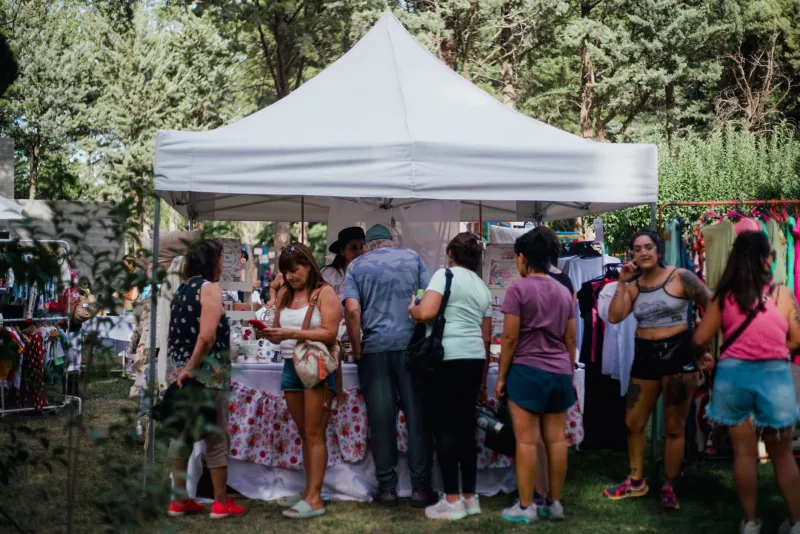
Walk the aisles of any farmers market, holiday market, or regional trade show and you'll spot two kinds of vendors.
The first kind is running a transaction. Sell, bag, next. By Sunday at 4 p.m., they've made some money and collected exactly zero names.
The second kind is running a pipeline. Sure, they're selling — but every single person who stops at their booth, buys or not, walks away with a reason to hear from them again. Six months later, that second vendor is still earning revenue from a weekend that cost them a folding table and a Saturday.
The gap between the two isn't budget or charisma. It's a plan with three phases: before, during, and after.
Before the Event: Warm Up the Room
Too many small businesses show up cold and hope foot traffic does the work. Flip it. The event gives you a legitimate excuse to reach people — use it.
Start with your existing list. Email customers within driving distance and tell them where you'll be. Post it on Instagram and your Google Business Profile. "We'll be at booth 42 at the Renninger's Antique Show this weekend — first 20 visitors get [something small]." That last part matters; a reason to come find you beats a hope they'll wander past.
Then mine the event itself. Most shows and markets promote their vendor lists online. Reach out to your local press, the event organizer's newsletter, or nearby community Facebook groups. A quick "come see us Saturday" pitch to a neighborhood group costs nothing and often lands better than paid ads.
One more pre-event move: print your capture tools before you need them. QR code on a small table tent. A clipboard with a short signup sheet as backup. A simple landing page with the event name in the URL so you can track where signups came from.
During the Event: Capture Without the Hard Sell
Nobody drives two hours to a craft fair hoping to join someone's email list. So don't pitch it that way.
The trick is to attach the ask to something people already want:
- A giveaway with a purpose. Raffle off a product or gift basket, and entry means dropping an email. Everyone expects this at trade shows; it feels normal, not pushy.
- **A first-purchase perk. "Join the list and get 10% off right now" converts well because the reward is instant."
- A genuine value trade. If you sell plants, offer a seasonal care guide. If you do custom framing, offer a free sizing consult. "Want the guide? I'll send it over — what's your email?" feels like helping, not harvesting.
Train whoever's working the booth on one line: after every interaction — sale or no sale — "Want first dibs when we drop new stuff? I can add you to the list." Ten words. That's the whole script.
And talk to the other vendors. They're not just neighbors; they're referral partners with overlapping audiences. Trade cards, cross-promote, and you've networked your way into someone else's customer base for free.
After the Event: Where the Real Revenue Lives
Here's the part almost everyone botches. They get home Sunday night exhausted, and those signup sheets sit in a tote bag until they're irrelevant.
The fix is a sequence you build before the event:
Day 1–2: The thank-you. A short email to everyone who signed up. Thank them, remind them what they bought or browsed, include the giveaway winner announcement if you ran one. No pitch. This email sets the tone — you're a person, not a list.
Day 4–5: The value drop. Send the guide you promised, a how-to, a behind-the-scenes look at your process. Something worth opening.
Week 2: The soft offer. Now you can sell. "Since you grabbed the [product] at the market, here's early access to the new batch." Reference the event — shared experience builds instant rapport.
Ongoing: The regular rhythm. A monthly email from there on out. New products, restocks, local events you'll attend next. You're not blasting; you're staying findable in their inbox.
Tag these subscribers in your email platform by event. When the same show rolls around next year, you'll know exactly who came from it — and whether that booth rental was worth repeating.
Do the Math Before You Book the Next One
Booth fees add up fast — $50 for a church craft fair, $2,000+ for a regional trade show. Track three numbers for every event: total leads captured, sales closed on-site, and sales closed within 90 days after. That last number is the one that justifies the booth.
A weekend that generates 120 emails and a 3% conversion over six months might outperform one that did $800 in day-of sales. Once you see that, you'll stop evaluating events by the cash box and start evaluating them by the pipeline.
The booth was never the business. The booth is the handshake. What you do with the next six months of conversation — that's where small brands quietly outgrow their competition.